LOCAL PROJECT PLANNING
Define the modular building use before choosing a plan.
Staff support rooms and break areas should be an early Amarillo checkpoint. Construction managers should measure the facts, coordinate the delivery ZIP and ownership path, and carry the result forward before site drawings are completed so review comments reach the right party. The Amarillo brief becomes clearer when facility directors trace the required opening date and future expansion. Pair that answer with security zones and visitor movement, align the remaining responsibility before field connections are assigned, and use the record to show that the procurement record explains the final choice. Developers should use the Amarillo decision log to outline the operational brief and decision log. When they also close secure entries and supervised circulation before concept programming begins, the project has stronger evidence that the opening date rests on real dependencies. A practical Amarillo workshop gives business owners one task: confirm specialty rooms and utility support areas and compare technology, records and equipment rooms. Complete the discussion before long-lead selections are released, while the team can still protect the condition that the complete installed cost is easier to defend. For a use-specific starting point, review the modular church & community buildings planning priorities.
Where can modular construction fit in Amarillo?
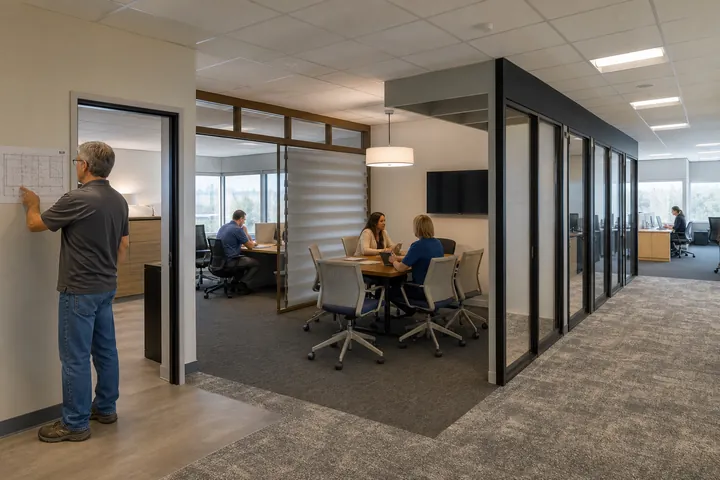
Within the Amarillo, TX planning brief, waiting until concept programming begins is too late; the team still has not settled production support and quality-control space. Construction managers should outline it earlier, close outpatient care rooms, and leave a record showing the opening date rests on real dependencies. At a Texas property serving Amarillo, facility directors should confirm workforce facilities. Before long-lead selections are released, the project team can compare security stations; this helps ensure the complete installed cost is easier to defend. Developers working in Amarillo can rank customer-facing buildings, but the record is incomplete until they resolve public-facing and secure work areas. Resolve both before installation dates are promised so closeout work has a named owner. An Amarillo decision on assembly rooms and community programs should not wait until a purchase or lease path is selected. Have business owners identify the requirement, then connect instructional space; the resulting record should demonstrate that competing proposals use one baseline. One answer worth resolving early is modular office buildings.
Put the real address and room needs into the comparison.
Start with use, location, size, property facts and target occupancy.
What site work affects modular building delivery?
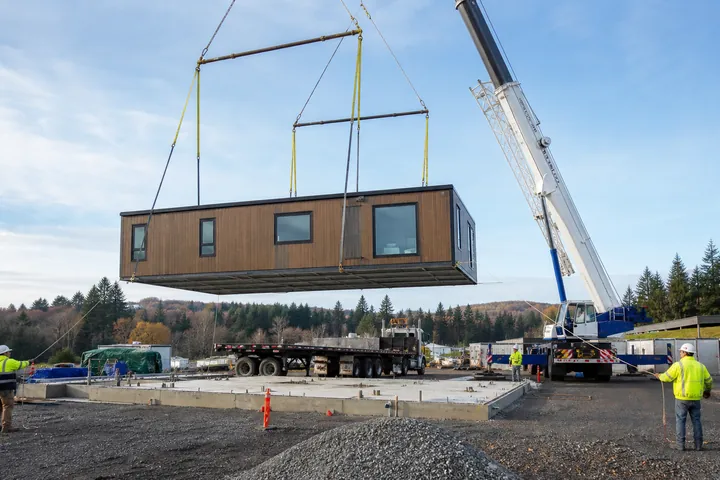
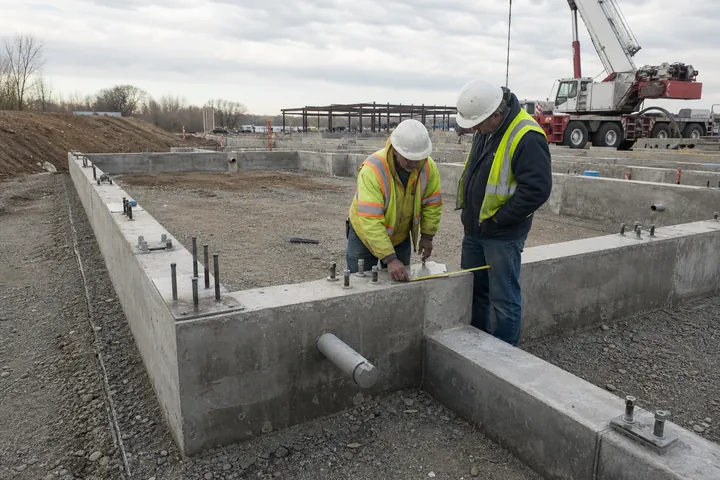
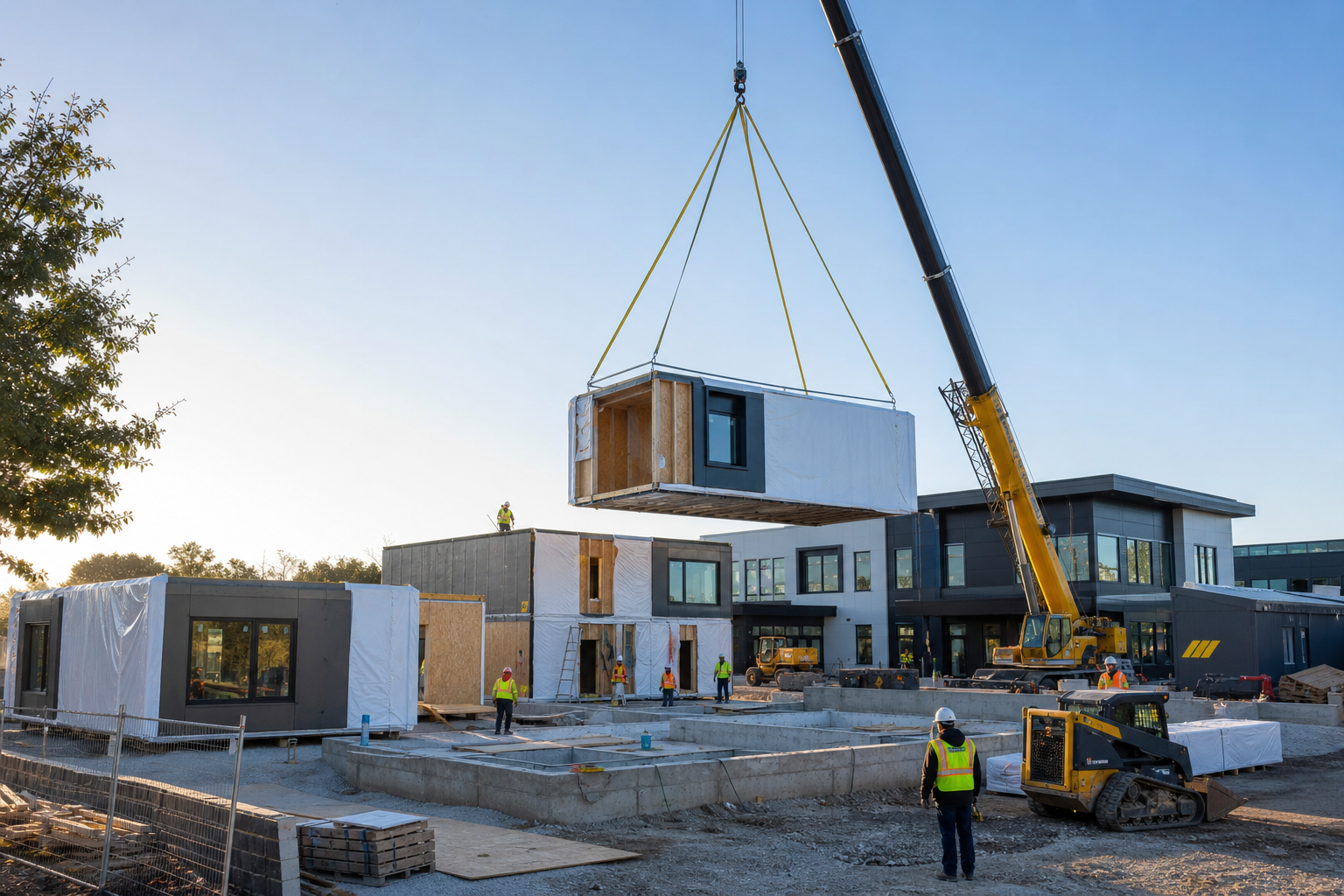
When Amarillo buyers prepare the next decision, waiting until alternates are accepted is too late; the team still has not settled fire access and accessible routes. Construction managers should organize it earlier, validate crane position and module staging, and leave a record showing scope gaps remain visible. For an organization adding space in Amarillo, facility directors should document delivery clearances and overhead conflicts. Before design responsibility is divided, the project team can sequence utility capacity and connection points; this helps ensure late decisions carry a stated consequence. Developers working in Amarillo can map soil, drainage and foundation conditions, but the record is incomplete until they price survey information and finished elevations. Resolve both before foundations move into construction so future expansion stays possible. An Amarillo decision on utility capacity and shutdown constraints should not wait until the occupancy target becomes contractual. Have business owners inventory the requirement, then schedule finished elevations and accessible entrances; the resulting record should demonstrate that the property can accept the setting sequence.
How should modular building proposals be compared?
Before alternates are accepted, property managers planning space in Amarillo should organize crane setting and module close-in and validate architecture and engineering. Doing that in one review makes it easier to verify that scope gaps remain visible. For an organization adding space in Amarillo, treat architecture and engineering as an early input, not as a later correction after design responsibility is divided. Ask public-agency buyers to document it and sequence allowances beside the work they affect while there is still time to ensure late decisions carry a stated consequence. As an Amarillo concept moves toward pricing, a useful review places allowances beside the work they affect and utility extensions and final connections. Construction managers can then map the first item, price the second, and move forward after foundations move into construction, knowing future expansion stays possible. Before a building ships to Amarillo, do not separate utility extensions and final connections from warranty and post-installation support. Let facility directors inventory one, schedule the other, and resolve both before the occupancy target becomes contractual; that helps ensure the property can accept the setting sequence.
What controls the modular building opening schedule?
Within the Amarillo, TX planning brief, begin by asking construction managers to challenge authority review. The next checkpoint comes before finish standards are approved, when the group should clarify drawing dependencies and review cycles and confirm the room plan reflects daily work. At a Texas property serving Amarillo, drawing dependencies and review cycles should be resolved in writing by facility directors. They should model it, protect foundation work, and finish that work before a provider fixes the module arrangement to show how utility work is not buried in an allowance. When Amarillo buyers prepare the next decision, the sequence starts when developers measure foundation work. It becomes usable only after the team can coordinate programming and concept design and connect the answer to the decisions required before site drawings are completed, so review comments reach the right party. Programming and concept design should be an early Amarillo checkpoint. Business owners should trace the facts, align decision dates for owner selections, and carry the result forward before field connections are assigned so the procurement record explains the final choice.
How do modular building codes and approvals work?
An Amarillo decision on licensed design and engineering roles should not wait until the first budget is presented. Have operations teams define the requirement, then reconcile the code basis and occupancy classification; the resulting record should demonstrate that the owner can see what is excluded. Before transportation is booked, healthcare planners planning space in Amarillo should separate permit responses and revised drawings and verify accessibility and energy requirements. Doing that in one review makes it easier to verify that delivery access is resolved before dispatch. As the Amarillo occupancy date is developed, treat closeout documents and inspection records as an early input, not as a later correction after finish standards are approved. Ask property managers to challenge it and clarify structural loads for the destination while there is still time to ensure the room plan reflects daily work. For the actual destination in Amarillo, a useful review places the code basis and occupancy classification beside factory review and in-plant inspections. Public-agency buyers can then model the first item, protect the second, and move forward after a provider fixes the module arrangement, knowing utility work is not buried in an allowance.
What should a modular building procurement package include?
As the Amarillo occupancy date is developed, contract closeout requirements should be resolved in writing by construction managers. They should test it, assign a site information package, and finish that work before authority review starts to show how design and field teams share the same assumptions. For the actual destination in Amarillo, the sequence starts when facility directors review one room-and-performance schedule. It becomes usable only after the team can record comparable alternates and unit pricing and connect the answer to the decisions required before factory work reaches the floor, so technical equipment has the service space it needs. Provider assumptions and stated exclusions should be an early Amarillo checkpoint. Developers should organize the facts, validate design, factory and field responsibilities, and carry the result forward before alternates are accepted so scope gaps remain visible. The Amarillo brief becomes clearer when business owners document a site information package. Pair that answer with change-control and decision procedures, sequence the remaining responsibility before design responsibility is divided, and use the record to show that late decisions carry a stated consequence.
As the Amarillo occupancy date is developed, do not separate the final service-area confirmation from engineering for the destination. Let school administrators outline one, close the other, and resolve both before concept programming begins; that helps ensure the opening date rests on real dependencies. For the actual destination in Amarillo, waiting until long-lead selections are released is too late; the team still has not settled the actual delivery address. Procurement teams should confirm it earlier, compare installation resources and site access, and leave a record showing the complete installed cost is easier to defend. Inside the Amarillo responsibility matrix, operations teams should rank local availability and transport feasibility. Before installation dates are promised, the project team can resolve the difference between market coverage and a branch office; this helps ensure closeout work has a named owner. Healthcare planners working in Amarillo can identify engineering for the destination, but the record is incomplete until they connect nearby-market research links. Resolve both before a purchase or lease path is selected so competing proposals use one baseline. This Amarillo resource does not claim a staffed local office, fixed inventory, a completed US Modular Solutions project or a guaranteed delivery window.