STATEWIDE PROJECT PLANNING
Plan the modular building around its use and property.
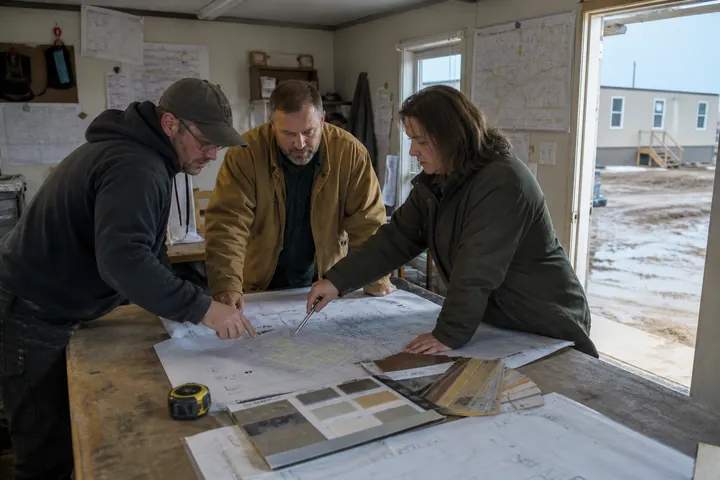
New Jersey operations teams should define the building use, expected occupancy, room relationships, delivery location and target opening date before comparing modular options. Planning around technology, records and equipment rooms, customer areas and back-of-house operations and staff support rooms and break areas creates a clearer basis for design, pricing and responsibility. The state page connects commercial needs with the city markets represented in this first-draft coverage set.
Which modular building types can be considered?
Common New Jersey inquiries may include security stations, workforce facilities, instructional space, temporary swing space and community programs. These are planning categories, not claims of completed local projects. Each application requires its own occupancy, utilities, accessibility, life-safety, workflow and finish decisions before a suitable floor plan or delivery path can be recommended.
Compare the same scope from every provider.
Share the use, city, square footage, room needs and opening target.
What site work belongs in a modular building project?
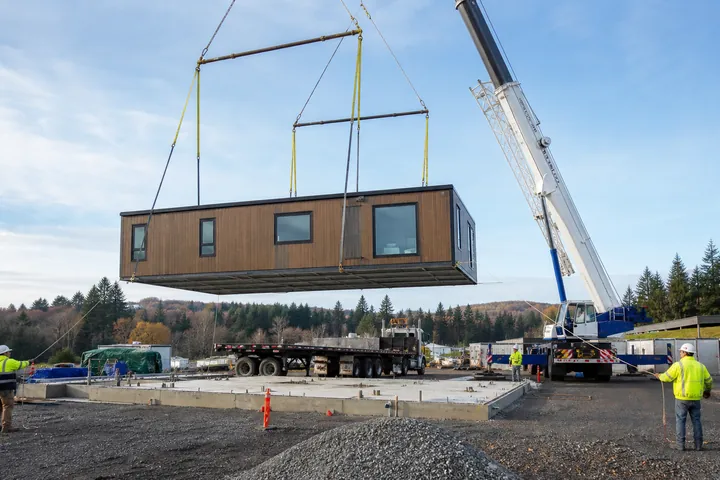
New Jersey site coordination should address soil, drainage and foundation conditions, survey information and finished elevations, temporary controls on an occupied property and parking, walks and exterior circulation. Property work is not a footnote to the module price. It must be assigned, designed and scheduled alongside factory work so the delivery route, crane plan, foundations, utilities and final inspections support the intended opening date.
How should New Jersey modular building proposals be compared?
A complete New Jersey comparison should identify foundations and civil work, freight and delivery, state and local reviews, architecture and engineering and commissioning and occupancy closeout. Healthcare planners should request the same scope and alternates from every provider, then review exclusions and allowances before selecting a building path. The actual site, code criteria, finishes, ownership structure and schedule determine current pricing.
What controls a modular building schedule?
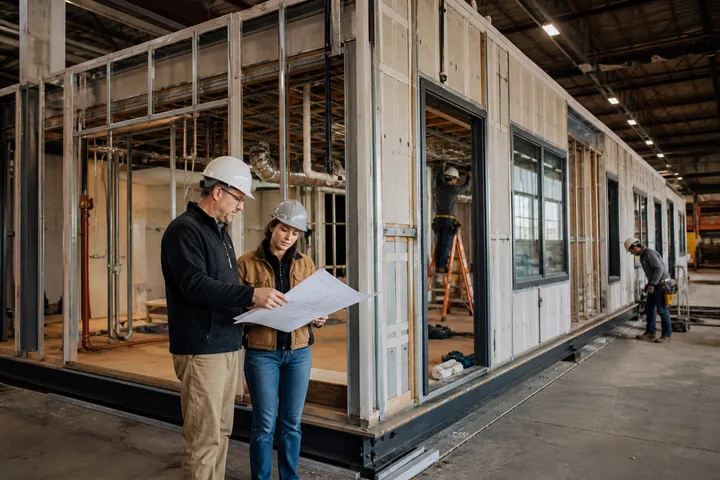
The New Jersey schedule should connect foundation work, factory fabrication, authority review, finish work and inspections and transportation planning. Parallel factory and site work can compress the overall sequence, but only when decisions and approvals stay ahead of procurement. Property managers should track dependencies and accountable parties through occupancy.
How do modular building approvals and inspections work?
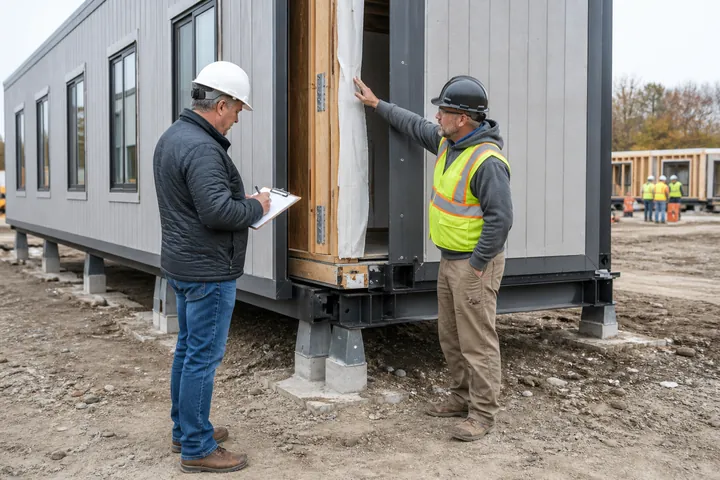
The project team must confirm the review path for the specific New Jersey address. State programs and local authorities may divide responsibility for the factory-built portion, zoning, civil work, foundations, utilities, fire access, inspections and occupancy. This page offers planning context only; licensed professionals and the authority having jurisdiction determine the final code, permit and inspection requirements.